
Interior Design: Harmonize Art with Your Space

Updated: Jun 3
Selecting paintings that harmonize with your interior design requires matching artwork to your color palette, design style, and room's purpose. Strategic choices ensure paintings strengthen rather than clash with your overall aesthetic.
Match Your Design Style and Color Palette
Before selecting artwork, identify your room's dominant colors and design style. A minimalist space calls for abstract paintings with clean lines, while traditional interiors suit classical landscapes. Look for paintings that echo your existing colors or introduce complementary tones that enhance without clashing. Warm-toned rooms benefit from paintings with golds and oranges, while cool spaces work well with blues and silvers.
Consider the room's mood too. Bedrooms need calming artwork like serene landscapes, while living rooms can handle dynamic, conversation-starting pieces. When paintings align with your design style and purpose, they feel intentional rather than random.

Get the Scale and Placement Right
A painting's size and position dramatically affect how it works within your space. Large walls need oversized paintings (50 inches / 120 centimeters or more) to avoid looking bare, while smaller rooms suit medium pieces (32 inches / 80 centimeters). Position paintings to anchor key areas—above sofas, fireplaces, or entryways—where they create visual focal points.
Avoid placing paintings in isolated corners or above furniture that doesn't require emphasis. The artwork should balance other design elements; if you have a large window, balance it with an equally substantial painting on the opposite wall.
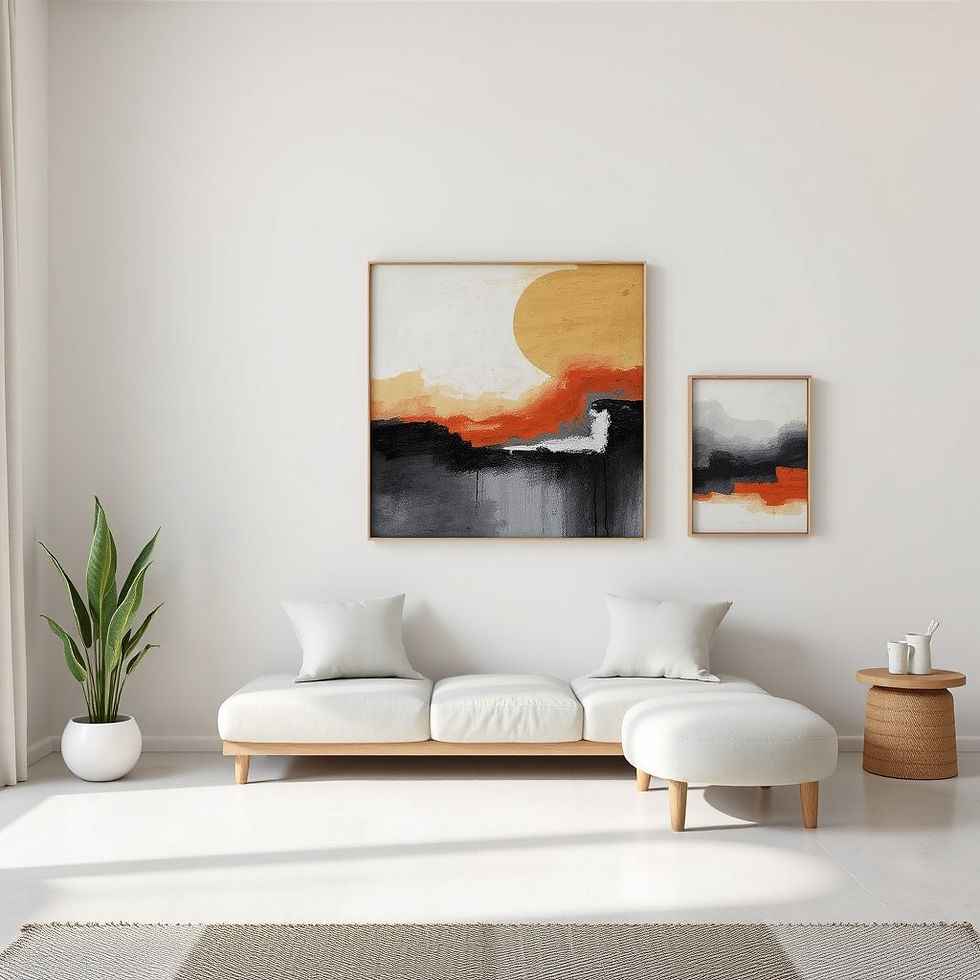
Create Color Harmony
The most successful paintings echo colors already present in your room while adding visual interest. Look for artwork that pulls tones from your curtains, rugs, or furniture to create invisible visual connections.
You can also introduce strategic contrast—a neutral room benefits from richer, more saturated painting colors, while a colorful space works well with more restrained artwork. The key is intentional choice, not random differences. When paintings feel like natural extensions of your design rather than added decoration, they've achieved perfect harmony with your interior.
Choosing the right paintings is a powerful way to elevate your interior design and create spaces that feel authentically yours. By considering style, color, scale, and placement, you can select artwork that transforms rooms from simply decorated to intentionally designed. Additionally, using artwork is a cost effective way to refresh your space without major spending or renovations.


Comments